
Most punters want a quiet session without blowing the budget before the first arvo tea. Live casino australia low stakes appeals because the pace stays measured and the outlay stays small, but the real test is whether the interface lets you move from registration straight into a table without fuss. After watching a few independent operators struggle with cluttered lobbies and half-finished localisation, I’ve come to treat a clean navigation layer the same way we treat a research workspace at D’Vinci Group: the tool should disappear so the work, or in this case the hand, can actually happen.
Getting Into the Lobby Without the Clutter
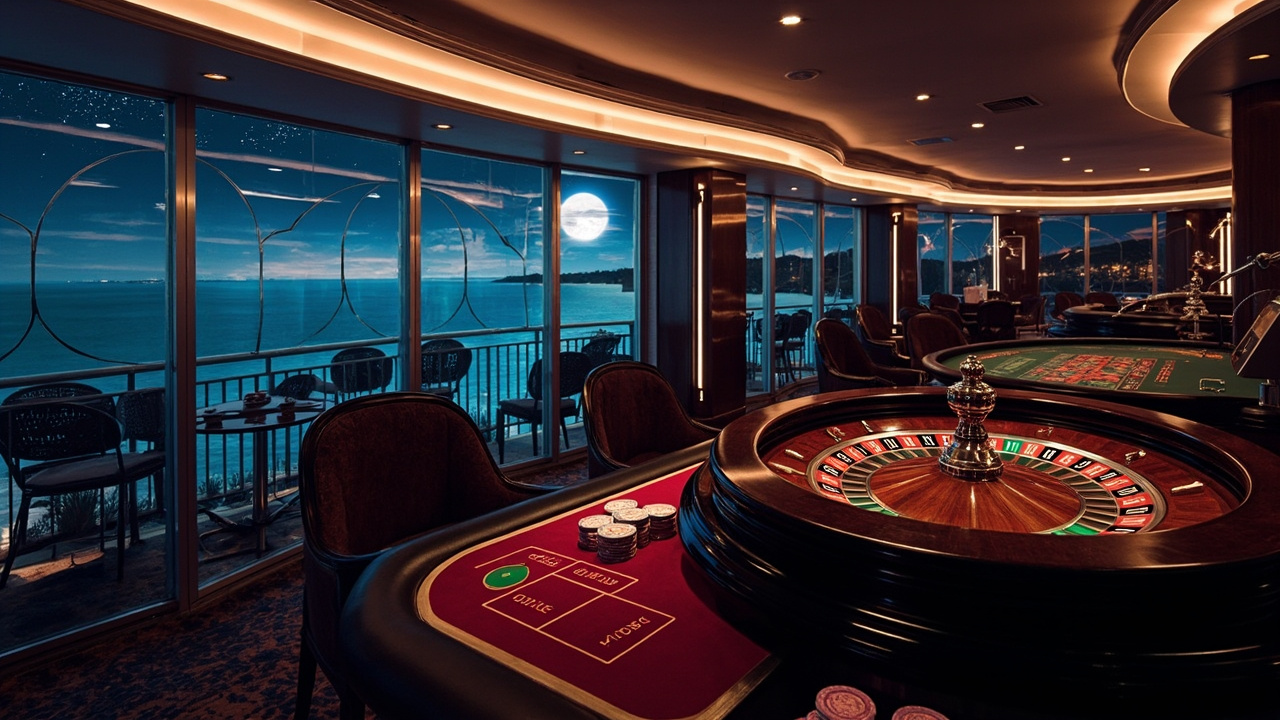
A sensible lobby opens with a short list of tables, not a wall of flashing banners and half-promised bonuses. The best low-stakes rooms group tables by dealer, bet range, and game style so you can scan in seconds and pick a seat that matches your bankroll. Navigation should sit where your thumb naturally rests on a phone, with clear back buttons and a persistent table filter that doesn’t vanish halfway through a session. Currency display matters early too, because an Australian player should see dollars and cents, not some generic symbol that forces a mental conversion every time a bet is placed. When localisation is done properly, even the small print around table limits reads in plain English and the chip stacks on screen match the numbers in your balance. I’ve seen design teams in the UK ship lobby widgets that feel like a trained assistant rather than a billboard, and that same restraint works here.
| Detail | What It Means for Low Stakes Play |
|---|---|
| Table range | Multiple seats with small minimum bets |
| Currency | Australian dollars shown at every step |
| Lobby layout | Compact table list, clear filters |
| Mobile view | Thumb-friendly navigation, no hidden menus |
| Registration | Short form, clear verification prompts |
Placing Small Bets Without Losing the Plot
Once you’re seated, the betting panel should stay readable while a round is running, because low-stakes play dies the moment the controls get cramped or the chip values jump around. A good table keeps the minimum and maximum visible, lets you split a pair into two separate hands each with its own bet, and confirms each action with a clear on-screen prompt before the next card drops. The pace of a live dealer should feel steady rather than rushed, so you can place a conservative line, watch the round unfold, and decide whether to stay in or step away without feeling pressured by a ticking clock. I’d rather see a table that quietly supports a measured session than one that tries to manufacture urgency with flashing animations and loud sound cues. Hannah Murphy, Product Analytics Lead, Waratah Digital Group, has flagged that players on smaller stakes often abandon a table when the bet controls shift layout mid-session, which is exactly the kind of friction a low-stakes room should avoid.
Payments, Registration, and the Little Local Details
Registration should be short enough to finish before your coffee goes cold, with clear prompts for verification and no vague promises about instant access. Australian players need payment options that match the way they actually move money, with deposits and withdrawals expressed in dollars and cents, and a balance screen that shows what’s in the account without making you hunt through menus. Support should be reachable without a scavenger hunt, ideally with a visible contact path and responses that acknowledge the local timezone instead of bouncing you through a generic overseas queue. I’ve reviewed enough products where the signup flow was smooth but the payment section felt bolted on later, and that mismatch usually shows up as confusion when a player tries to cash out. Annika King, Strategy Director, Swan River Interactive, reminds teams that a payment flow only feels trustworthy when the same clarity carries through from deposit to withdrawal, not just the first click.
What the Interface Should Do for a Quiet Session
A low-stakes room earns its keep when the interface supports a calm session from start to finish, not just when the first table loads. That means consistent visual identity across the lobby, the table, and the account screens, with language and currency that stay put instead of drifting into generic defaults. Search and filters should help you find a dealer or a bet range quickly, because a player who already knows they want a small, steady session shouldn’t have to wade through irrelevant tables to get there. The best setups also respect the difference between real-money play and social casino apps, which offer casino-style play with virtual, non-cashable coins, because that distinction changes how a player thinks about risk and pace. Cooper Collins, Strategy Director, Red Centre Analytics, has pointed out that low-stakes rooms in New Zealand tend to keep the interface leaner than some larger markets, and that restraint is worth borrowing here. If you want to play richardcasino, make sure the lobby, the table controls, and the account screens all speak the same plain language before you commit any time or money. A sensible session ends the same way it starts, with a clear view of your balance and no mystery about where the controls went. play richardcasino Magazinedljadoroslihvfvf

That’s the part most players overlook, because a low-stakes table only stays enjoyable when the whole flow feels deliberate rather than noisy. The right room keeps the bet panel steady, the currency readable, and the support path visible, so a quiet session in Geelong or anywhere else on the coast can run without turning into a scavenger hunt. If the interface keeps its promises, you can stay in the game on your own terms and call it a night without any fuss.